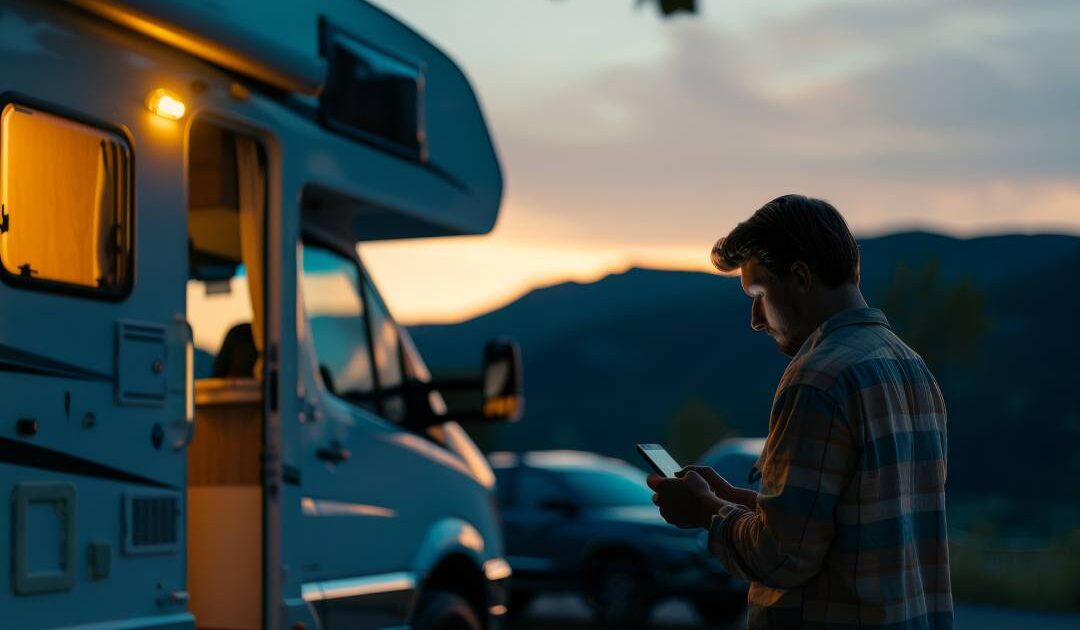

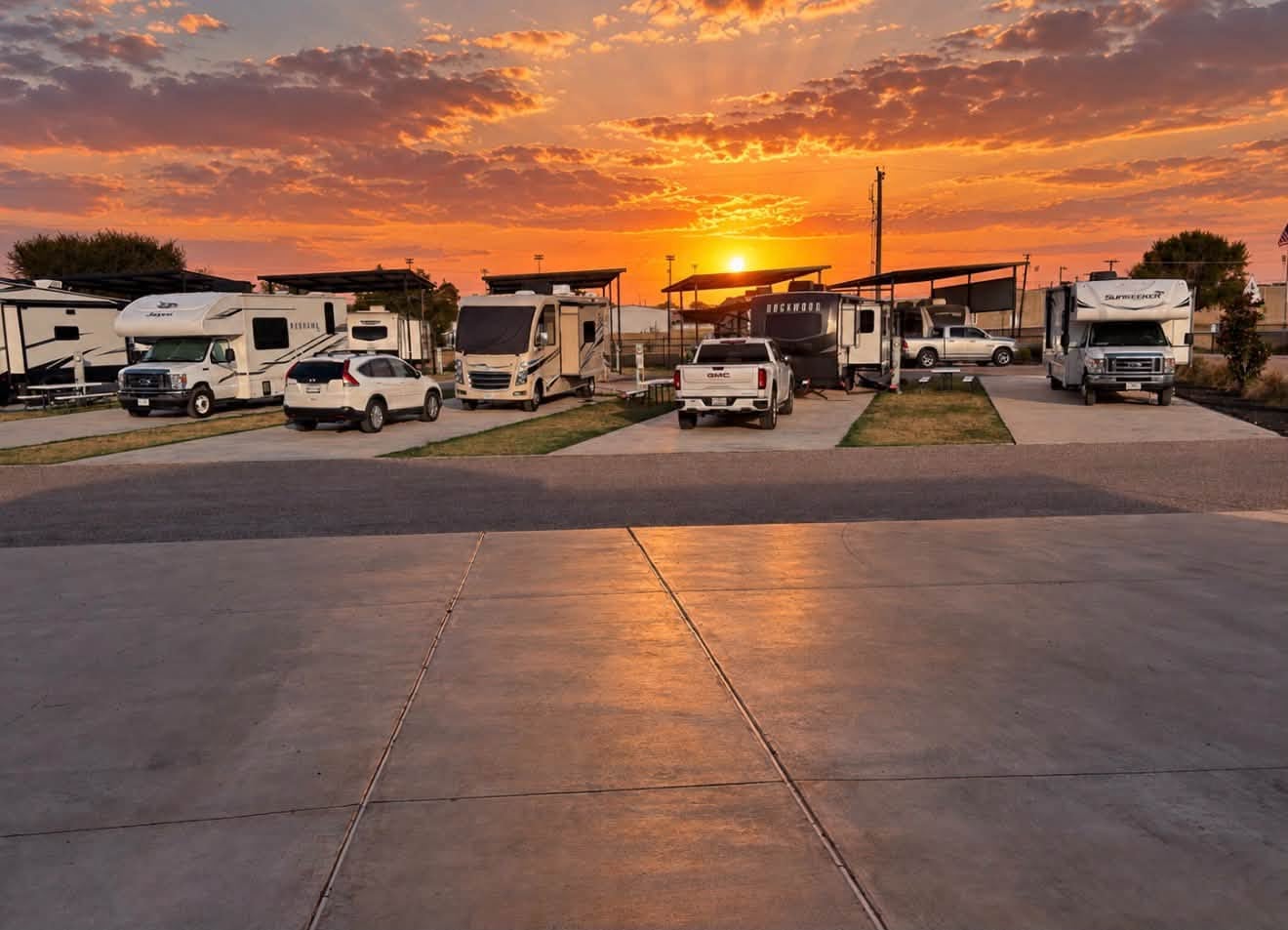
If you’re heading south for the winter and your snowbird RV route to Texas comes down I-35 from Oklahoma, Kansas or the upper Midwest, Waco lands right where most people start to feel the miles. By then the Dallas and Fort Worth traffic is behind you, and a level site, a hot shower and a night off the interstate start to sound pretty good before the last push to the Rio Grande Valley.
This guide covers how the drive south through Texas actually lays out, when Waco is on your way and when it isn’t, how to split the days, and what Central Texas weather and road work look like this time of year.
Key takeaways
- I-35 runs straight through Waco, so it’s a natural stop for snowbirds coming from Oklahoma, Kansas and points north on their way to San Antonio and the Rio Grande Valley.
- If you’re coming from Florida or the Southeast on I-10, Waco is well north of your route. It only makes sense if you’re dropping down through Dallas.
- From Waco to the Valley is a little over 400 miles, which is more than most RVers like to drive in one day. Plan a stop around San Antonio or give yourself a long day with an early start.
- Waco’s average first freeze comes in late November, so a fall trip can still bring a cold night. Keep your propane topped off and your hose ready to disconnect.
- Expect construction on I-35 through Waco and Austin. Leave some slack in your schedule.
Is Waco on the snowbird RV route to Texas?
It depends on where you’re starting. If your trip runs down I-35, yes. Waco sits on I-35 between the Dallas and Fort Worth area and Austin, and that same highway carries you through San Antonio before you turn south toward the border.
Here’s how the common starting points shake out:
- Minnesota, Iowa, Kansas, Missouri and Oklahoma: I-35 is the direct line. You’ll pass right through Waco.
- Nebraska and the Dakotas: Most people work their way over to I-35 around Kansas City, which puts Waco on the route.
- Illinois, Indiana and Ohio: Some come through Arkansas on I-30 to Dallas and pick up I-35 there. Others go farther east through Texarkana and toward Houston, which skips Waco entirely. Map both and compare.
- Florida, Georgia and the Gulf Coast: I-10 takes you through Houston and San Antonio, well south of Waco. Don’t detour north just to see us unless you have a reason to be in Central Texas.
One detail that trips up first-timers: I-35 splits into I-35E through Dallas and I-35W through Fort Worth. The two meet again at Hillsboro, north of Waco. Pick your side before you reach Denton, because both carry heavy traffic and you don’t want to be changing plans at the split with a trailer behind you.
How many days does it take to drive to the Rio Grande Valley?
For most RVers coming from the middle of the country, plan on three to four driving days from the Kansas line, more if you start farther north. The exact number comes down to how far you’re comfortable driving in a day.
A lot of RVers follow some version of the “2-2-2” rule: no more than about 200 miles a day, arrive by 2 p.m., stay 2 nights. Many snowbirds stretch that to 300 miles on interstate days. What wears people out is stacking long days back to back and arriving after dark.
Here’s one way the drive down from Kansas City breaks into manageable legs.
| Leg | About how far | What to keep in mind |
|---|---|---|
| Kansas City to the Oklahoma City area | About 350 miles | Long but mostly open interstate. Wind across Kansas and Oklahoma can be strong on high-profile rigs. |
| Oklahoma City to Waco | About 300 miles | The Dallas or Fort Worth stretch is the slow part. Try to pass through outside rush hour. |
| Waco to San Antonio | About 180 miles | Austin traffic is the main variable. Consider the SH 130 toll road around it. |
| San Antonio to the Valley (McAllen area) | About 240 miles | US 281 south to McAllen, or I-37 to Corpus Christi and US 77 for Harlingen and Brownsville. |
Some folks drive Waco to the Valley in one day. It can be done with an early start, but you’ll arrive tired at the place you’re living for the next few months.
Where to stop between Oklahoma and the Valley
Waco works well as a stop because of where it falls: after the Dallas and Fort Worth traffic, before Austin, and roughly halfway between the Red River and San Antonio.
For any overnight stop on a long haul, a few things matter most:
- Easy in and out. You want a short hop from the interstate, not a winding drive through town.
- Room to park without unhooking. On a one-night stop, a lot of people don’t want to drop the tow car or the trailer.
- A place to reset. Laundry, a real shower and somewhere to walk the dog go a long way on day three of a road trip.

At our park we have guest laundry, tiled private shower rooms and on-site propane fills, which covers most of what you need before the last leg. Our office is open every day from 9 a.m. to 5 p.m., so plan your arrival inside that window or call ahead if you’re running late. If you’re bringing a dog, our dog park and pet guidelines are worth a look before you book, since some breed restrictions apply.
If you’re driving a big coach, the questions to ask before you book a big rig site apply to every stop on the trip, not only ours.
I-35 construction in Waco and Austin this season
Road work is the biggest wild card on this route right now, so build in extra time.
Waco
TxDOT is rebuilding I-35 through Waco, adding lanes and reworking frontage roads and ramps. According to KWTX’s July 2026 report on the project, completion is expected in early 2029, and a major traffic shift onto new northbound lanes is planned for 2027. Until then, exits change and detours come and go, so don’t count on the exit you used last year. If you’re staying with us, call the office for current directions into the park.
Austin
I-35 through central Austin is under a long-term reconstruction too, with lane shifts and closed ramps on top of the city’s usual heavy traffic.
Many snowbirds skip it by taking SH 130, a toll road that runs east of Austin. The southern section from Mustang Ridge to I-10 near Seguin has an 85 mph speed limit and all-electronic tolling, so there are no booths. Without a toll tag, a bill is mailed to the address on your license plate. Many people with big rigs think the toll is worth it to stay out of downtown Austin.
Central Texas weather on a fall or winter drive
Central Texas winters are mild most days, but cold fronts can come through fast, and the temperature can drop sharply in a few hours, often with a stiff north wind.
The National Weather Service lists Waco’s average first freeze as November 21, with the earliest on record in late October. A few habits help on a cold travel night:
- Watch the forecast for freezing temperatures. On a hard-freeze night, disconnect and drain your water hose and run on your fresh tank, or use a heated hose.
- Keep propane topped off. Furnaces use it fast on a cold night. We fill propane on site for motorhomes and portable tanks.
- Respect the wind. Fronts often bring strong, gusty wind, and a tall fifth wheel or travel trailer feels every gust. If the forecast calls for high winds on your travel day, waiting a day is cheap insurance.
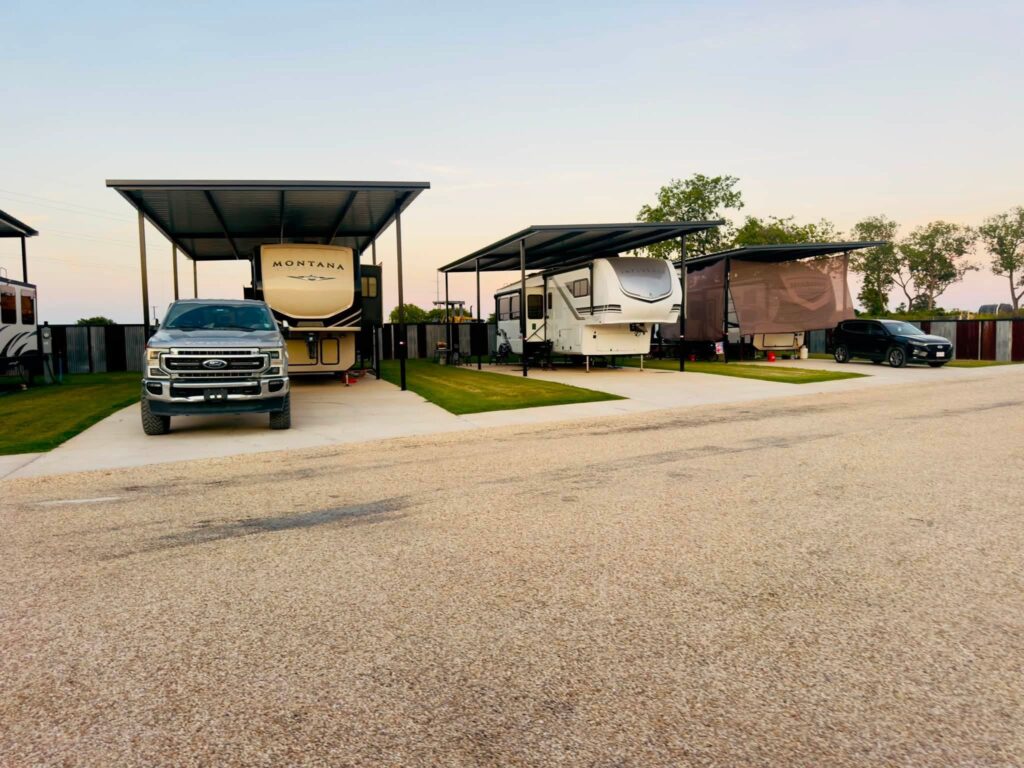
- Think about hail and rain. Storms can roll through with a front. More than 100 of our sites are covered, which helps shield your rig from hail and rain overnight.
One night, two nights or a week?
Most snowbirds stop in Waco for one night and keep moving. If you’re not due in the Valley on a set date, a second night gives you a full day off the road and a chance to see something besides the interstate.
A one-day layover in Waco can be easy. Magnolia Market at the Silos draws a lot of visitors, and the Waco Mammoth National Monument, the Dr Pepper Museum and the Texas Ranger Hall of Fame and Museum are each about 15 minutes from our park. Our list of things to do near the park has more ideas if you want to fill a day.
Some travelers end up staying longer. If the Valley isn’t set in stone, or you’d like to split the winter between two places, Waco can work as a base. We offer nightly, weekly and monthly RV stays.
Our article on using Waco as a base for Texas day trips shows what’s within a short drive.
Frequently asked questions
What is the best RV route from the Midwest to the Rio Grande Valley?
For most travelers from the central Midwest, I-35 south through Oklahoma, Dallas or Fort Worth, Waco, Austin and San Antonio is the most direct route. From San Antonio, US 281 goes to McAllen and I-37 with US 77 goes toward Harlingen and Brownsville. Travelers from farther east should compare it against routes through Houston.
How far is Waco from the Rio Grande Valley?
It’s a little over 400 miles from Waco to the McAllen area by way of San Antonio. Most RVers split that into two days.
Should I take I-35E or I-35W through the Dallas and Fort Worth area?
Either one works, and both are busy. I-35E goes through Dallas and I-35W through Fort Worth, and they meet again at Hillsboro, north of Waco. Check traffic before you reach Denton and avoid rush hour when you can.
Does it freeze in Waco in the winter?
Yes. The National Weather Service puts Waco’s average first freeze in late November. Be ready to protect your water lines on cold nights.
Can I fill propane in Waco on the way south?
Yes. We fill propane right here at the park for motorhomes, camping and portable tanks.
Plan your stop in Waco
If you’re heading south on I-35 this winter, we’d be glad to have you for a night or longer. Tell us your rig length, how many pets are with you and when you expect to arrive, and we’ll help you find a site that fits.
Call 254-799-3105 or send us a message. Safe travels on the road south.